Reusable Nappies vs Disposable Nappies: An Australian Parent Guide
Compare reusable cloth nappies and disposable nappies, washing routines, costs and gentle water cleaning. A practical guide for Australian parents.
Baby Bum Shower ·
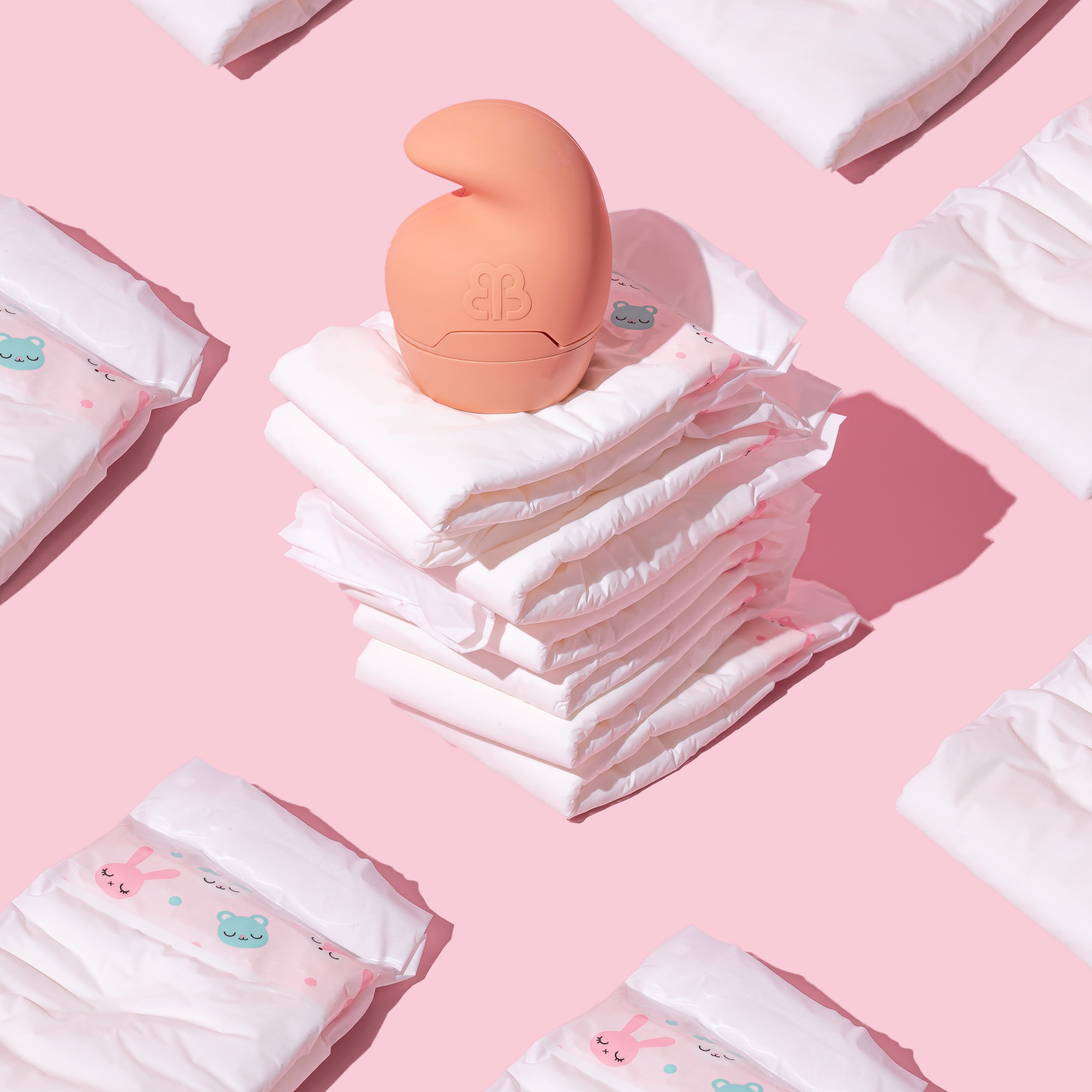
Reusable nappies are cloth nappies you wash and use again. Disposable nappies are designed to be thrown away after a change. Neither choice has to be all-or-nothing: you can use cloth at home, disposables when travelling, or whichever combination fits your family.
This Australian parent guide compares the practical differences, explains common reusable nappy styles and separates two jobs that are easy to confuse: washing the nappy and cleaning your baby.
Reusable nappies vs disposable nappies: what should you compare?
| Your routine | Reusable cloth nappies | Disposable nappies |
|---|---|---|
| After a change | Set aside for laundering according to the maker’s instructions. | Dispose of the used nappy according to local guidance. |
| Costs to consider | Initial nappies, replacements, detergent, water, energy and drying. | Ongoing packs of nappies as your baby grows. |
| Away from home | Plan how to carry used nappies and when you can wash them. | No nappy laundry, but you still need somewhere to dispose of them. |
| Cleaning your baby | Gentle cleaning at every change. | Gentle cleaning at every change. |
What types of reusable nappies are available?
“Cloth nappies”, “washable nappies” and “reusable nappies” describe the same broad category. Modern cloth nappies come in several formats. Check each maker’s description because the parts and fit can vary.
- Squares and prefolds: cloth that is folded into shape and used with a suitable cover.
- Fitted nappies: a shaped absorbent nappy, usually with a separate cover.
- Pocket nappies: a nappy with a pocket for an absorbent insert.
- All-in-one nappies: the absorbent and outer parts are combined in one nappy.
Rather than looking for one “best reusable nappy”, compare fit, absorbency, drying time and how comfortable you feel preparing it. A style that works well for another family may not fit your baby or laundry routine.
How many reusable nappies do I need?
There is no single number that suits every baby. Work backwards from how often your baby needs changing, how often you will wash and how long your nappies take to dry. You need clean nappies available while the used ones are being washed and dried.
Using cloth part-time needs a different supply from using it throughout the day and night. Before buying a full set, check the supplier’s guidance for your baby’s age and your planned washing routine.
How do you wash reusable nappies?
Follow the specific nappy manufacturer’s care instructions for handling soiling, storage, detergent, washing and drying. Do not assume every fabric, insert or waterproof cover needs the same treatment.
Keep the care instructions somewhere handy and check them before changing your routine. If nappies are not cleaning properly, ask the supplier for guidance rather than guessing a wash temperature or mixing cleaning products.
Baby Bum Shower is not a nappy sprayer or a cloth-nappy washing tool. It is designed to clean your baby during a change. Laundering reusable nappies is a separate task.
Are reusable nappies cheaper or better for the environment?
Compare the complete costs for your household, not just the price of one nappy. Cloth involves purchase and laundry costs; disposables involve repeat purchases. How long you use the nappies, replacements and your washing setup affect the comparison. We do not promise a fixed saving.
Reusable nappies can reduce the number of disposable nappies you throw away, but washing and drying also use resources. Sustainability Victoria explains that environmental results depend on how cloth nappies are used and laundered, with full wash loads and line-drying contributing to a lower impact. That is not a guarantee for every household.
Can I use cloth nappies and disposable nappies together?
Yes — your routine does not have to be a permanent choice between two camps. You might try reusable nappies for a few changes when you have access to laundry, then decide whether to use more. Travel, childcare arrangements and drying space can influence what is practical.
What if I currently use Huggies nappies?
You do not have to change nappy brands to reconsider how you clean your baby. Whether you use Huggies nappies, another disposable brand or reusable cloth nappies, cleaning the baby is a separate step from choosing the nappy.
Baby Bum Shower is an independent baby-cleaning product. We do not sell Huggies nappies and are not affiliated with or endorsed by Huggies. No comparison of Huggies product performance is made here.
Where does water cleaning fit in?
Australian parenting guidance describes gently cleaning with warm water and cotton wool or a damp washcloth during nappy changes. Keep everything within reach and never leave your baby unattended on a changing surface.
Baby Bum Shower provides a portable, gentle stream of water for the baby-cleaning step, whether your next nappy is reusable or disposable. Fill, secure and squeeze according to the product instructions, then finish your usual drying and nappy-care routine.
It is not a medicine and we do not claim it prevents, treats or reduces nappy rash. If your baby’s skin is sore or a rash persists, speak with your GP or child health nurse.
See how Baby Bum Shower works, read baby wipes vs water, or explore nappy rash creams explained.
A practical starting point
Choose nappies around your baby’s fit and your family’s routine. Think separately about laundry, waste and gentle cleaning. If a portable water rinse fits the cleaning step, view Baby Bum Shower or read our original customer reviews.
Sources and further reading
Updated 29 October 2026 with original wording and Australian parent guidance.
A gentle water rinse for everyday changes
Baby Bum Shower is $39 AUD. Buy 2 or more and save 20% on each. GST included.
Shop Baby Bum Shower →